



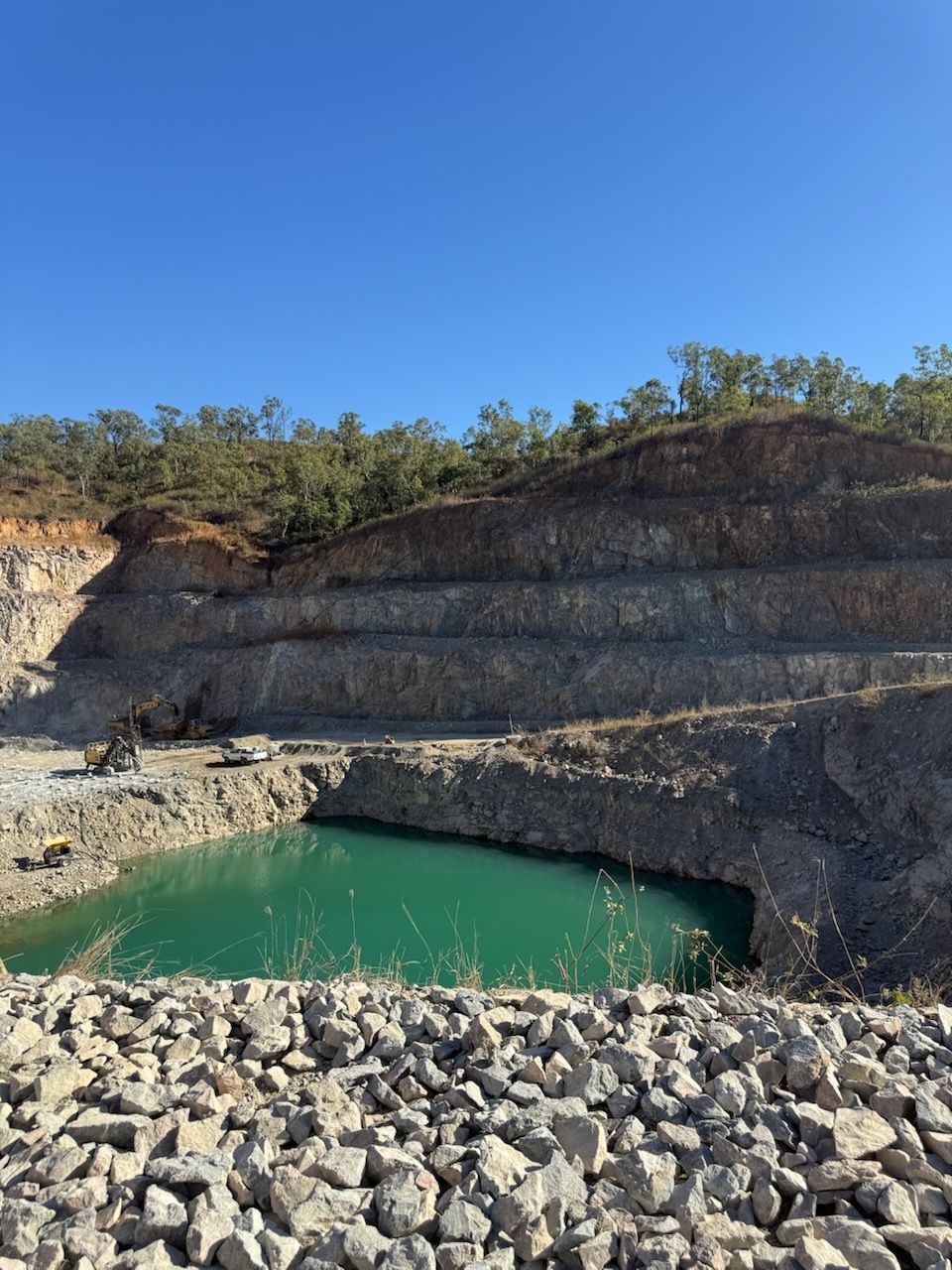
For nearly two years, AWX has kept a Townsville quarry's dozers, loaders and excavators crewed with the right operators.
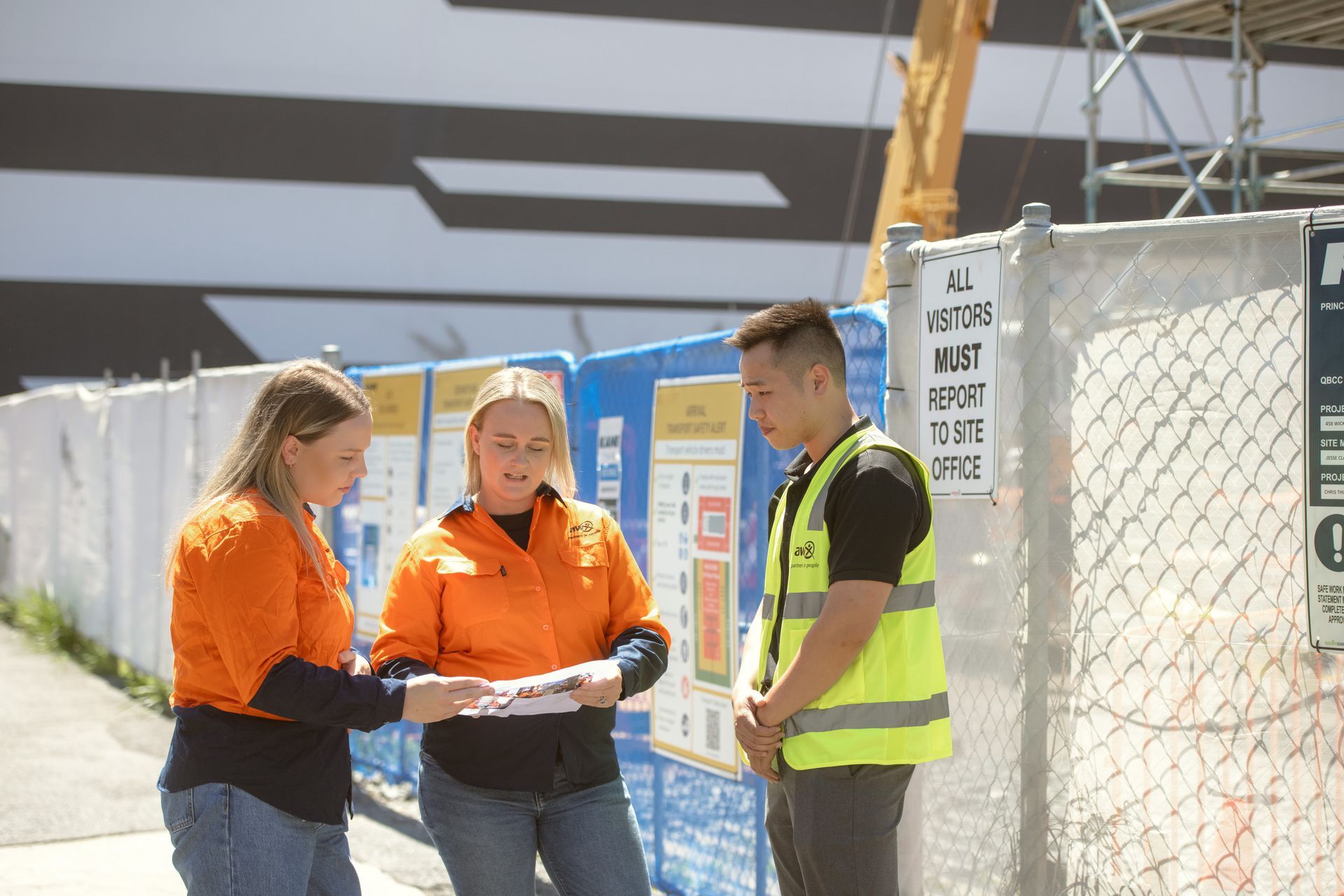
Construction landscape in Australia Australia's building and construction sector is carrying more work than it has in years and it doesn't have enough people to build it. Governments across Australia have pushed almost $30 billion into the national infrastructure pipeline over the past year, taking the five year Major Public Infrastructure Pipeline to $242 billion. Transport still accounts for more than half that figure and utilities investment like energy transmission projects are set to more than double over the next five years. Queensland and the Brisbane 2032 Olympics pipeline Queensland’s running its own separate boom on top of that. The state's major project pipeline has reached $127.5 billion in engineering construction planned over the next five years, a 22.7% jump from 2024 , partly on the back of the 2032 Olympic and Paralympic Games. But the Games aren't the only driver. Public investment in Queensland and the Northern Territory combined has grown for the second year running, up to $51 billion , most of it transport and utilities work concentrated around the Sunshine Coast and Wide Bay. Population growth, energy transition work and housing targets are all landing on the state at once. The workforce shortage behind the pipeline None of this gets built without people. Shortages eased briefly in 2024 but are now projected to climb back to 300,000 workers by 2027, hitting regional areas hardest as the shortfall roughly quadruples between 2025 and 2027 . It's not only tradies feeling the pinch either, engineers, scientists and architects at more than half (56%) of the total shortfall, with trades and labour making up close to a third (29%) and project management (15%) the rest. The gap has narrowed since then, down to 141,000 workers, but with 300,000 on the horizon for 2027, that's a short lived improvement. Innovation and technology are changing how sites run Innovation and technology are changing the way construction sites run too. Things like modular builds, which shift a chunk of the work off site and into a factory before it's trucked in ready to install, digital modelling, which maps out the whole build on screen before anyone picks up a tool and drones doing site surveys instead of a crew walking the site for a day, are all saving time and money. It also means fewer surprises once work starts, less material wasted and fewer people standing around waiting on a fix that could have been caught weeks earlier on a screen. Civil and construction is one of AWX's core specialties, with recruiters who specialise in the sector, some previously working in it themselves on the tools, across a network of 20+ branches in Australia and New Zealand. This includes several sitting right in the regions carrying the heaviest pipeline growth, Sunshine Coast, Brisbane and the Gold Coast. Across the business, AWX places more than 2,000 people into work each week from a candidate database of over 400,000, with 9 out of 10 clients saying they'd recommend the service. "We're seeing it firsthand here in Brisbane. Everyone's chasing the same tradies for the same jobs and the Olympics work hasn't even broken dirt yet. The businesses doing it tough are the ones waiting until they're desperate to start looking," said Luke McFadzean, General Manager, National Accounts and Growth. What are construction recruitment agencies Australia? A construction recruitment agency finds and supplies staff to building, civil and infrastructure projects, either through labour hire , where the worker is employed by the agency and placed on site or permanent recruitment , where the agency finds and places a worker directly onto a client's payroll. Key role of construction recruitment agencies Agencies exist to solve a timing and compliance problem builders can't easily solve on their own. Sourcing, screening and compliance checks take time most sites don't have when a project's ramping up or a worker drops out mid job. In labour hire arrangements, the agency also carries the ongoing employment relationship for the length of the placement, taking on the admin, payroll and legal responsibilities that would otherwise sit with the client. Most agencies operate across a mix of trades, civil and infrastructure work, though the scale and specialisation varies a lot between providers. Some run as generalists across several industries, others build dedicated teams around specific sectors. AWX runs civil and construction as one of its core specialties, with recruiters who focus on the sector, some having worked in it themselves on the tools. The business offers labour hire, permanent recruitment and international recruitment for construction roles, across the 20+ localised branches. Each branch works as a local point of contact rather than a call centre model, so the same person who takes the vacancy is usually the one who knows the site and the crew going onto it. "Clients don't want to explain their site five times to five different people. They want one person who gets to know their sites, they can trust and rely on to find quality staff and who they can call when something changes. That's the model we build around,” said Luke. Benefits of using construction recruitment agencies The main draw card for businesses in using construction recruitment agencies is speed and reduced risk. Sourcing skilled staff takes time most builders don't have once a project's underway and every day a role sits empty is a day the schedule slips. A good agency already has a pool of screened, compliant staff ready to go, cutting the time between a vacancy and someone actually turning up to site. Beyond speed, agencies offer a few other advantages that matter once a business looks past the immediate hire: A wider talent pool - an agency's database reaches further than any single company's own network, particularly useful for niche trades or tickets that are hard to find locally. Continuity of supply during a shortage - with the workforce gap set to keep growing, an agency with its own pipeline of staff is a hedge against a market where posting a job ad alone won't get a response. Access to overseas talent pathways , including visa programs like the 482, backpackers and the PALM scheme for businesses that have exhausted the local market. A way to scale up or trial before committing - labour hire lets a business bring on extra hands for a big push or wind back once a stage wraps and see how someone performs on site before offering anything permanent, all without the cost of permanent staff sitting idle between projects. Less admin - workers comp, superannuation, leave entitlements, timesheets and payroll for hired staff run through the agency rather than the client's own systems. AWX runs on a model built around one point of contact per client, an Account Manager who learns the ropes of the site – roles, rosters, PPE requirements, travel. The Account Manager stays across the job as it changes, whether that's weather delays, a schedule shift or an employee who isn't the right fit for the crew and deals with it directly rather than passing the client between departments. "Clients ring us because they need staff. If you're not picking up the phone or you're sending someone who's never set foot on a construction site, you've lost them. A machine sitting idle because there's no operator is a huge volume of lost revenue so we build strong relationships and keep in regular contact with the client and their team so we usually know there's a gap coming before it’s a crisis,” said Luke. What construction jobs are in high demand in Australia? Nearly half of all trade occupations and two in five professional occupations remain in national shortage , with construction called out specifically as one of the sectors still under the most pressure. The trades and management roles driving that shortage include: In demand construction trades: Electricians Plumbers Health and safety officers Carpenters and joiners Bricklayers and plasterers Boilermakers and welders In demand professional and management roles: Construction managers Civil engineers Project estimators Quantity surveyors Population ageing, housing demand and the shift to clean energy are all named as drivers behind the trade shortages specifically, while the professional and management roles are being squeezed by the sheer volume of projects moving through planning and into construction at once. AWX recruits across the full spread of this list, from labourers and trades through to project management and estimating roles, built up over 25+ years in the sector. AWX's recruiters work their existing networks first, tapping people who've worked with AWX before or who are known to branch staff directly, since the hardest roles to fill rarely come from a fresh job ad alone. AWX works with clients on a multifaceted strategy rather than relying on one fix. That means growing skills from inside the existing crew, targeting interstate candidates and building an employer brand that attracts people while still running the basics like job ads and referrals. International recruitment plays a bigger part where roles stay stubbornly hard to fill, backed by a purpose built Asia Pacific pipeline most agencies simply don't have access to. Planning ahead ties the whole approach together. "Most businesses are only pulling one or two levers, an ad here, a referral bonus there. The ones getting ahead of it are working all of them at once, building the crew they'll need next year, rather than just filling the gap they've got today. Our Asia Pacific capability is one lever most of the market doesn't have, which helps when everything else has already been tried," said Luke. How do recruitment agencies vet and compliance check staff for construction sites? Every agency putting people on a construction site is expected to run the same core checks before someone starts. A current White Card and site induction training come first, alongside inductions specific to the site itself, since national training covers the basics but every job has its own hazards, layout and WHS requirements. Right to work status gets confirmed, visa checks included where relevant, along with verification of trade licences and tickets for whatever plant or machinery the role calls for. References and work history checks round it out and increasingly drug and alcohol testing or medicals, particularly for roles operating machinery or working at heights. That's the baseline every agency should be running. Where providers differ is what happens when a check turns something up and how quickly they can still get someone compliant onto a site under pressure. AWX runs these compliance checks before anyone is placed and keeps monitoring them across the length of a placement. Tickets and licences get tracked for expiry, site inductions are matched to the specific requirements of each client rather than treated as one size fits all and drug and alcohol testing is built into the process for roles where it's expected on site. If a ticket is due to lapse or a site's requirements change partway through a job, that gets picked up and actioned so it’s not the client's problem to catch. "We've had blokes turn up with a high risk licence about to lapse and no idea. That's on us to catch, not the client. You can't send someone to site and hope for the best, you check it, you know it's right, then they go to work. Same with drug and alcohol testing, sites expect it now and clients expect us to have it sorted," said Luke. What should a business check before choosing a construction labour hire provider? Picking the right construction recruitment agency matters for both employers and job seekers. Reputation is a big piece of it, so it's worth digging into an agency's track record and client feedback before committing to one. Experience in construction specifically adds value here. An agency that's been placing people into civil and construction roles for years usually comes with a stronger network and a better sense of what a site needs beyond the job ad itself. It's also worth looking at the range of services on offer, since some agencies only do labour hire, others only permanent placement and a broader offering tends to cover more of what a growing business will eventually need. AWX runs all three under one roof, labour hire, permanent recruitment and international recruitment, including its own Asia Pacific Mobility Program for roles that local supply can't fill fast enough . Factors to consider: Agency reputation and track record Construction specific experience Range of services offered Location matters too. An agency with branches in the regions carrying the heaviest construction demand can offer sharper local insight and expertise as well as a better read on who's available nearby, rather than working purely off a resume from an interstate office. It's also worth checking what happens after someone's placed. AWX runs a 24/7 support line so a client isn't left chasing anyone once a crew's on site. Compliance depth is also another of the clearest markers of a serious agency. "We check trade tickets, run site inductions, medicals and drug and alcohol screening, right to work and visa status, nobody gets put forward to a client until all of that's sorted. Because skipping these steps is ultimately what ends up costing our clients time and money down the track,” said Luke. What are the best practices for hiring construction staff in Australia right now? With workers already stretched thin across the construction industry, the businesses landing and keeping good staff are the ones treating recruitment as an ongoing process rather than something to think about only when a role opens up. A few practices are standing out: · Move quickly once someone's identified - experienced tradespeople with the right qualifications, licences and tickets aren't sitting around waiting, they're typically already on a site somewhere. A slow interview or approval process loses candidates to whoever gets an offer out first. · Offer flexibility on rosters - a competitive rate matters, but roster fit is increasingly what decides whether someone takes a job or stays in one, particularly for FIFO and regional work. · Invest in apprentices and trainees - with the shortage skewed toward experienced trades, businesses building their own pipeline from within via apprenticeships are less exposed when the market tightens even further. · Look past the local pool when it's dry - interstate candidates and skilled visa pathways are increasingly part of the mix. · Partner with a specialist rather than running it all in house - recruitment takes time and compliance knowledge most construction businesses don't have capacity for, especially mid project. AWX builds workforce plans around the job itself rather than a generic process, working out ahead of time what a site needs - tickets, timeframes, roster shape, before a search starts. "The game's changed a lot over the years. Back in the day, posting an ad and waiting may have worked to an extent. Now if you're waiting, you've already lost the good ones. The businesses doing well are planning their workforce the same way they plan materials or equipment, well ahead of when they need it, " said Luke. The construction recruitment process: what to expect The process usually follows a similar shape across agencies. It starts with letting the agency know what's needed, tickets, experience, timeframe, roster. From there the agency searches its own network and candidate pool for people who fit, screens them and runs interviews to check they're suited to the role, beyond what’s on paper. Reference checks and compliance checks follow, tickets, licences, right to work, before anyone's put forward to the client. Only once all of that's cleared does a candidate get presented as ready to start. AWX runs on one point of contact for each client who learns how a site runs and what it needs, so a client isn't explaining themselves twice and wherever possible they're on site too, since a construction job's hard to understand from a desk. That local knowledge is also what makes speed possible. One civil contracting client called on a Friday afternoon needing extra hands on a new subdivision project, AWX had two labourers mobilised and working within 72 hours . "Anyone can say they screen candidates. What matters is what happens after that, whether you've got people ready to go when a client calls on a Friday and whether you fix it fast if someone's not the right fit. That's the bit most agencies talk about and don't deliver on, we keep the relationship with client and candidate in the centre of everything and don’t let AI or tech take over those human connections," said Luke. What is the 482 visa and can it be used for construction and trades roles? The Subclass 482 Skills in Demand visa lets an approved Australian employer sponsor an overseas worker to fill a genuine skill shortage, for up to four years depending on the role. Eligible construction occupations include carpenters, electricians, bricklayers, welders, civil engineers and construction project managers, among others on the skilled list. A business can sponsor directly, carrying the compliance obligations itself or go through an On Hire Labour Agreement, a government approved arrangement letting a labour hire company sponsor the worker and place them with client businesses instead. Very few labour hire companies hold an approved OHLA, since the Department of Home Affairs assesses compliance history, financial standing and capacity before granting one. AWX holds a government approved OHLA, so civil and construction businesses can access skilled overseas workers without carrying the sponsorship burden themselves. AWX handles the visa application, compliance and mobilisation and remains the legal employer once the worker's placed. This capability also underpins AWX's unique Asia Pacific Mobility Program , sourcing and training tradespeople in the Philippines to New Zealand standards before transitioning them into Australian placements under the 482 pathway. "Most construction businesses don't have the resources to become an approved sponsor and they shouldn't have to. Holding an OHLA isn't common, so clients get access to overseas talent without taking on the compliance risk. We do the heavy lifting, they get the worker on site," said Luke. FAQs How does labour hire work for construction companies (vs direct hire)? With labour hire, AWX employs the worker and places them on your site. You run the work day to day and AWX looks after wages, super, workers comp, leave and timesheets for as long as the placement runs. With direct hire, the worker goes straight onto your payroll and your business carries the sourcing, screening, onboarding and every employer obligation from day one. Most construction businesses use labour hire when a project’s ramping up, a stage needs extra hands or someone drops out mid job, since there’s no time to run a full hiring process. What's the difference between labour hire and permanent recruitment? It comes down to who the employer is. In labour hire, the worker stays employed by AWX while they’re on your site, so you can scale numbers up or down as the job changes. In permanent recruitment, AWX finds, screens and interviews candidates, then the person you pick joins your payroll full time or part time. Permanent placements through AWX come with a 90 day replacement guarantee. A lot of construction clients run both, using labour hire for site crews that shift with each stage and permanent recruitment for project managers, estimators and engineers they want to keep across jobs. What industries/roles is labour hire best suited to? Labour hire suits any industry where the workload moves with projects, seasons or shutdowns, which is why it’s so common in civil, construction and mining. AWX supplies labour hire across civil and construction, mining, landscaping, food and manufacturing and transport and logistics. On construction sites that covers labourers, machine operators and ticketed trades like carpenters, electricians, plumbers and welders. Senior roles like project managers and estimators are more often filled through permanent recruitment, since businesses usually want to keep them long term. Can labour hire workers be converted to permanent staff? Yes, plenty of businesses use labour hire to see how someone works on site, with the crew and under pressure, before offering them a permanent role. If they’re a good fit, the worker can move off AWX’s books and onto yours. Any conversion fee or timing is set out in your agreement with AWX, so it’s worth talking it through with your Account Manager at the start. How much does labour hire cost compared to hiring directly? Labour hire is charged as an hourly rate that covers the worker’s wage, the employment costs AWX carries as employer (super, workers comp insurance, leave entitlements and payroll) and AWX’s margin. On paper that rate sits above a direct employee’s wage. The gap closes once you add up the costs of direct hire that don’t show on a payslip, like advertising, time spent screening and interviewing, onboarding, admin and paying staff who sit idle between projects. Rates vary with the role, award, location and roster, so AWX quotes each job on its own specifics. How quickly can a labour hire agency fill a site with workers? It depends on the role, the location and how specialised the tickets are, though AWX typically has workers on site within a week and common roles move faster. One civil contracting client called on a Friday afternoon needing extra hands for a new subdivision and had two AWX labourers working within 72 hours. That speed comes from having screened, compliant workers ready before the call comes in, drawing on a candidate database of more than 400,000 people and 20+ local branches across Australia and New Zealand. Is labour hire only for short term or can it be a long term workforce strategy? Labour hire works for both short term and long term workforces. Some clients bring on a few extra hands for a two week push, while one Brisbane civil and construction client has worked with AWX for 12 years. With the construction workforce shortfall projected to reach 300,000 workers by 2027, more businesses are building labour hire into their ongoing workforce plan. It gives them a steady supply of screened workers and the flexibility to scale with each stage, without carrying permanent headcount through quiet periods.
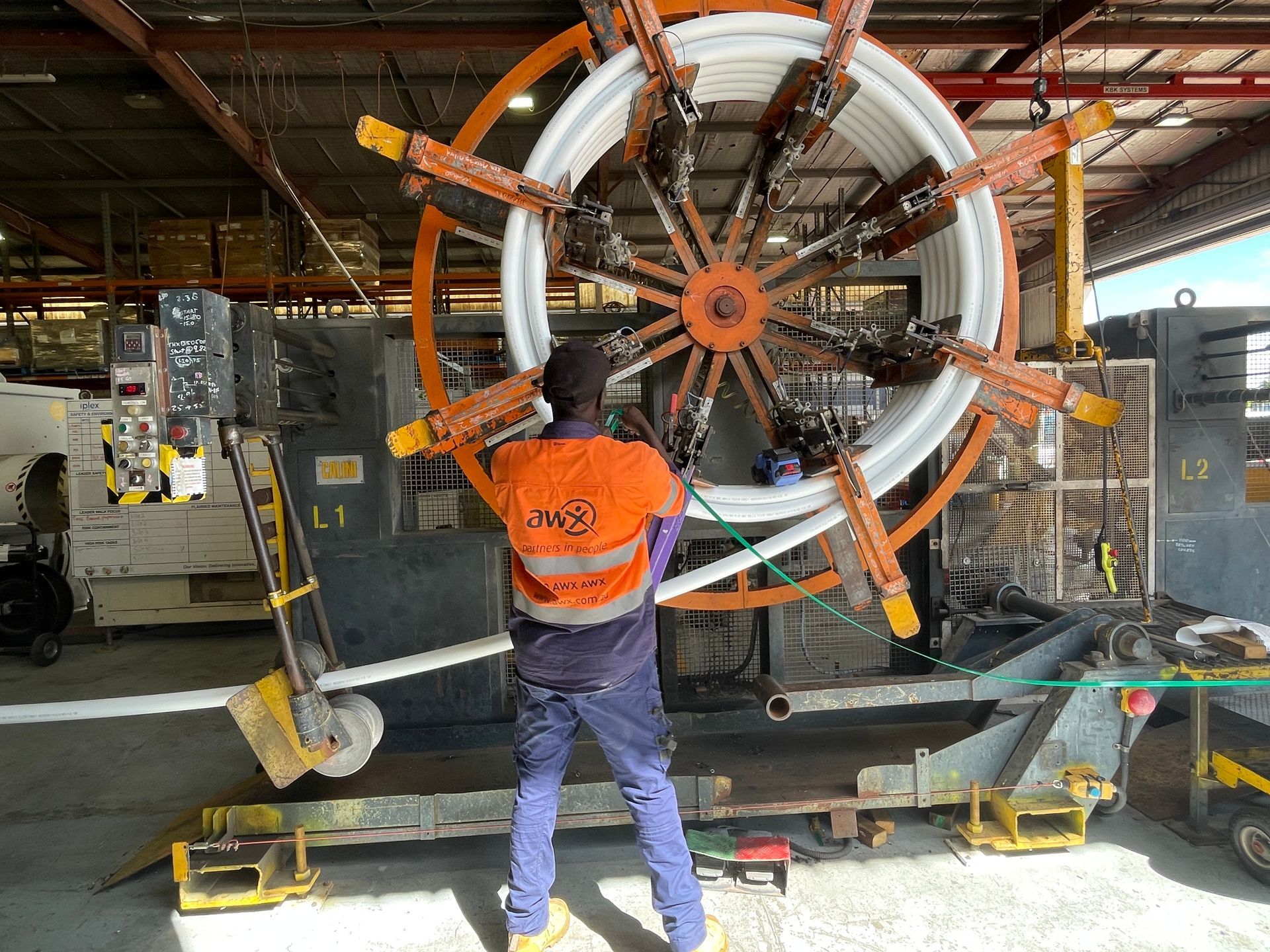
A more reliable workforce gave this pipe manufacturer and distributor a better way to run production
AWX forklift operators and process workers helped a pipe manufacturer move to five eight hour days and cut overtime costs.
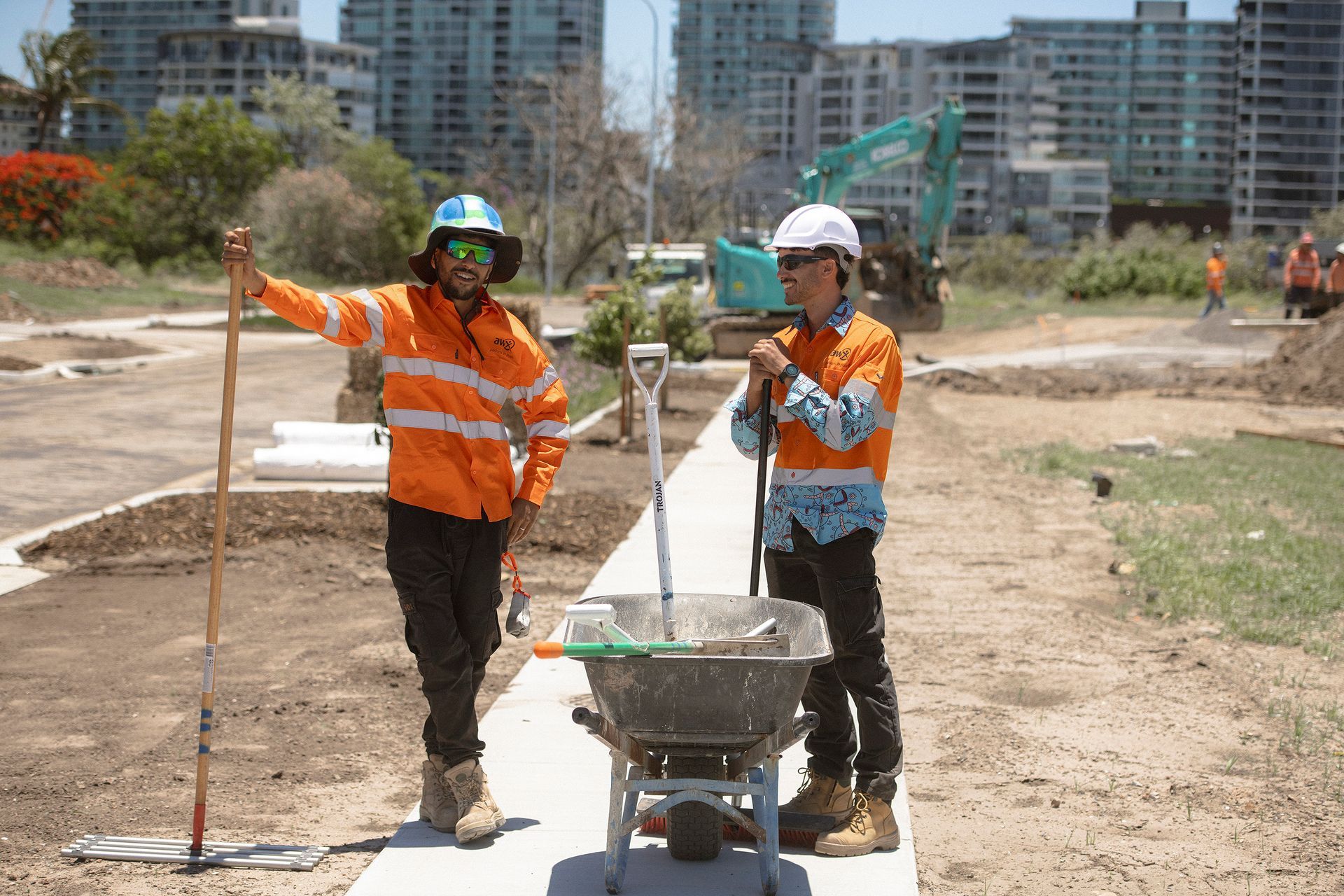
AWX had labourers on site within 72 hours of a Friday call, so a civil contractor's Lowood subdivision west of Brisbane could start works without delay.
Candidates pulling out before mobilisation costs you time and money. Here's how AWX adjusts recruitment for each generation to place people who stay.
Discover top mining recruitment agencies in Australia that connect skilled workers with job opportunities. Navigate the booming industry with insights and guidance.
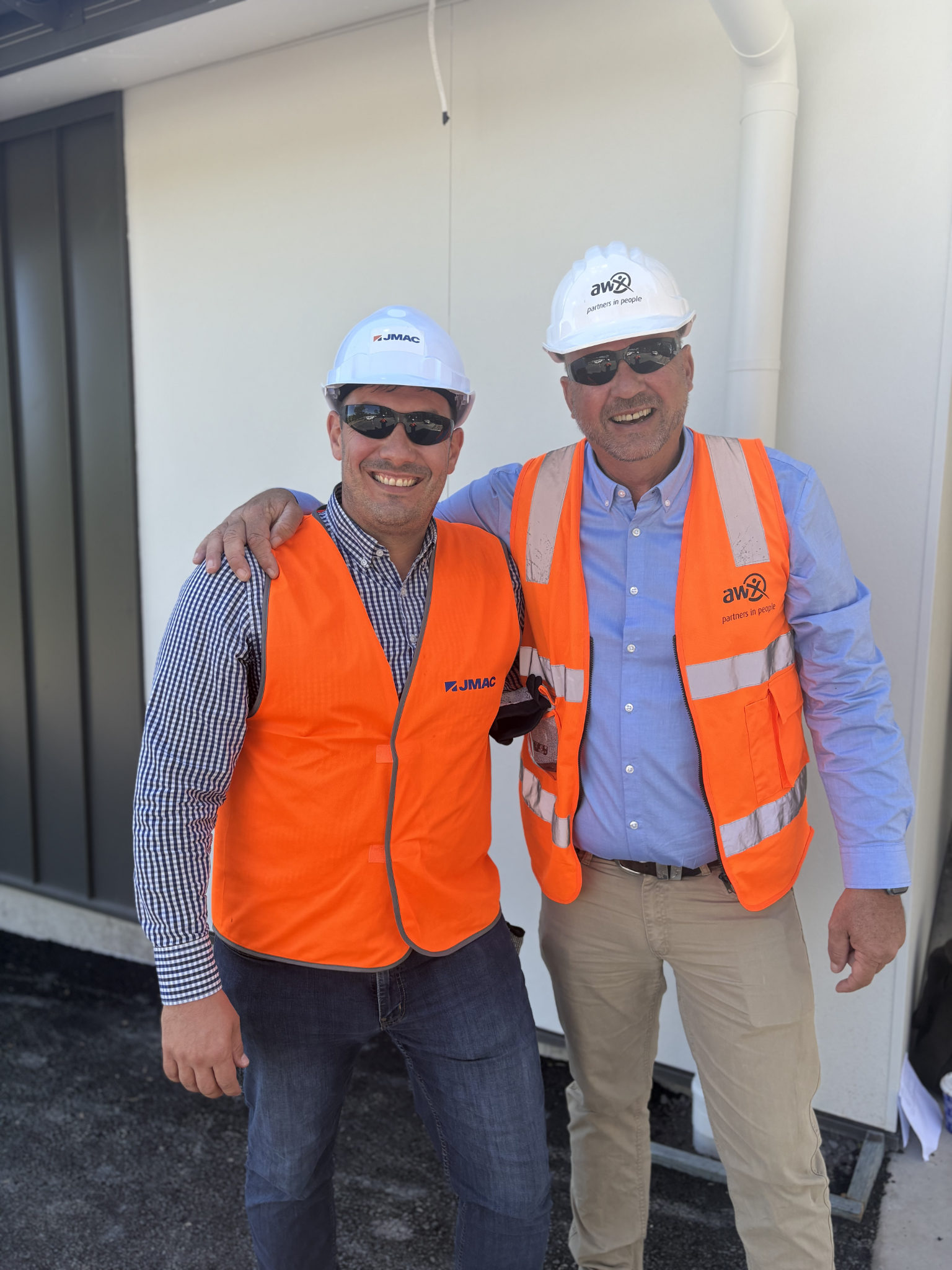
Raik came to Australia on a working holiday and started labouring with AWX. Fifteen years on, he's a Senior Project Manager and calls AWX for crews.
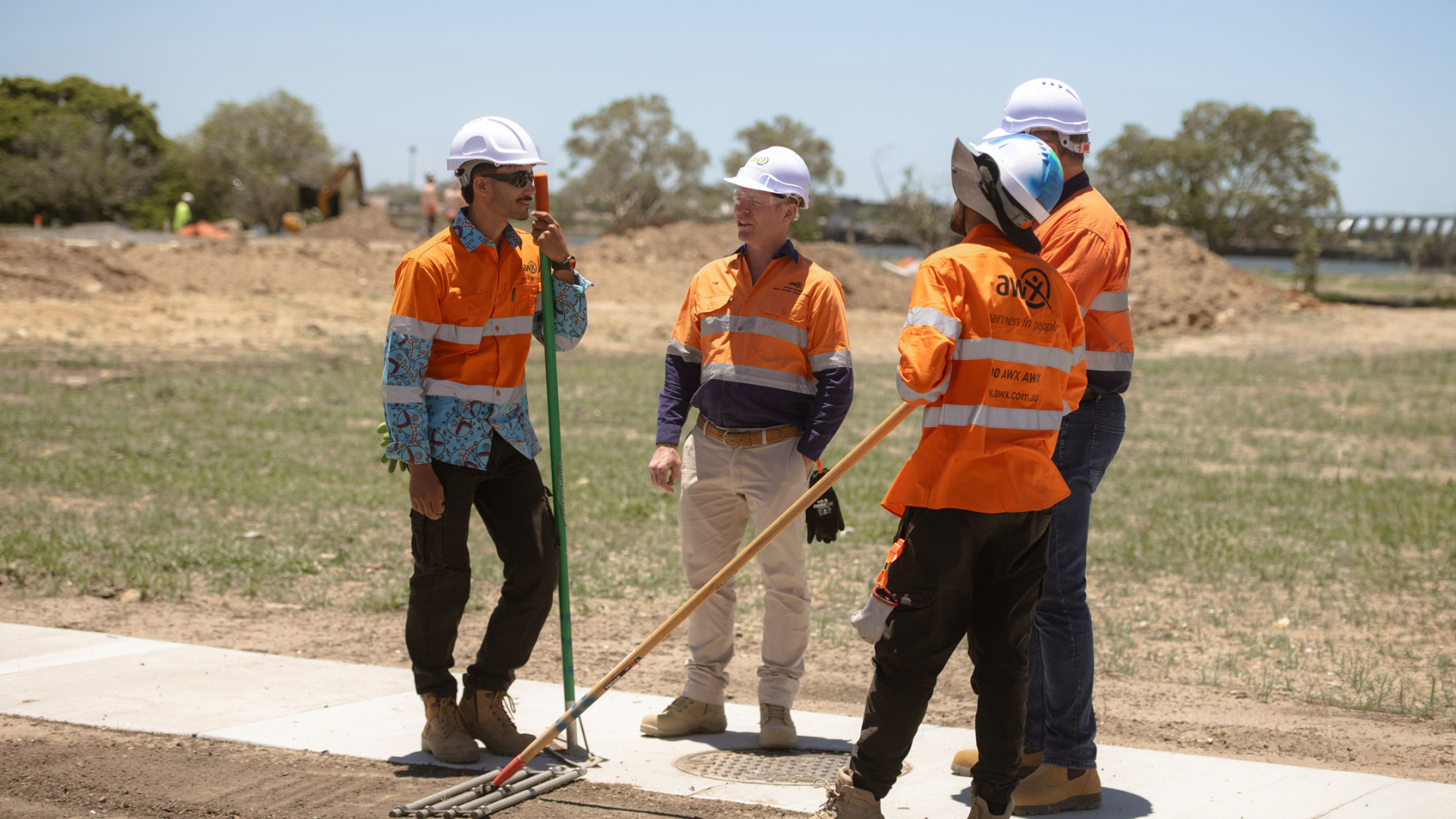
How the 482 Skills in Demand visa works: employer eligibility, the seven step process, realistic timeframes and how an On Hire Labour Agreement cuts your risk.
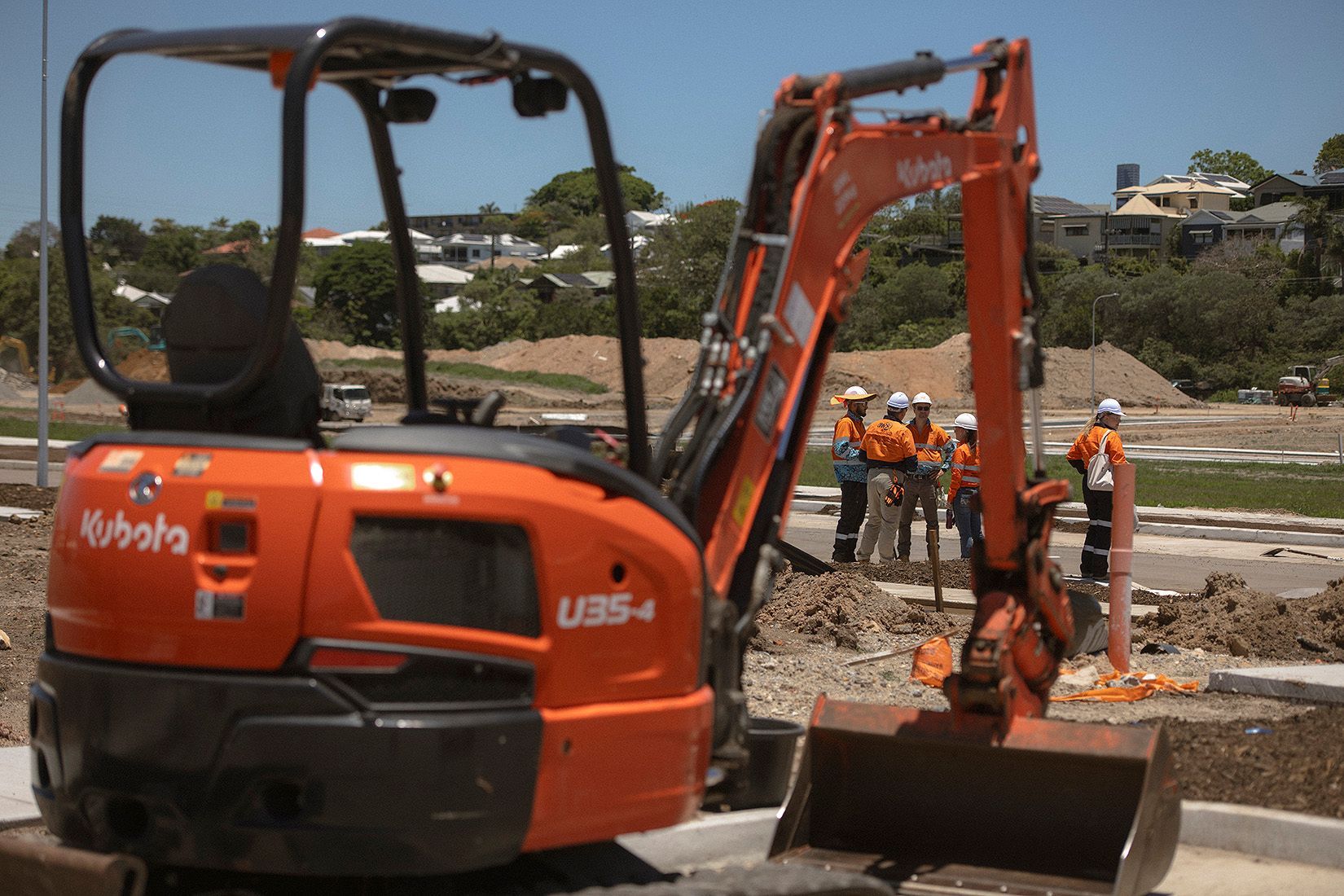
Where the work is in Brisbane, Melbourne and Perth, which roles are in demand, why you need a White Card and how to land your next job on site.
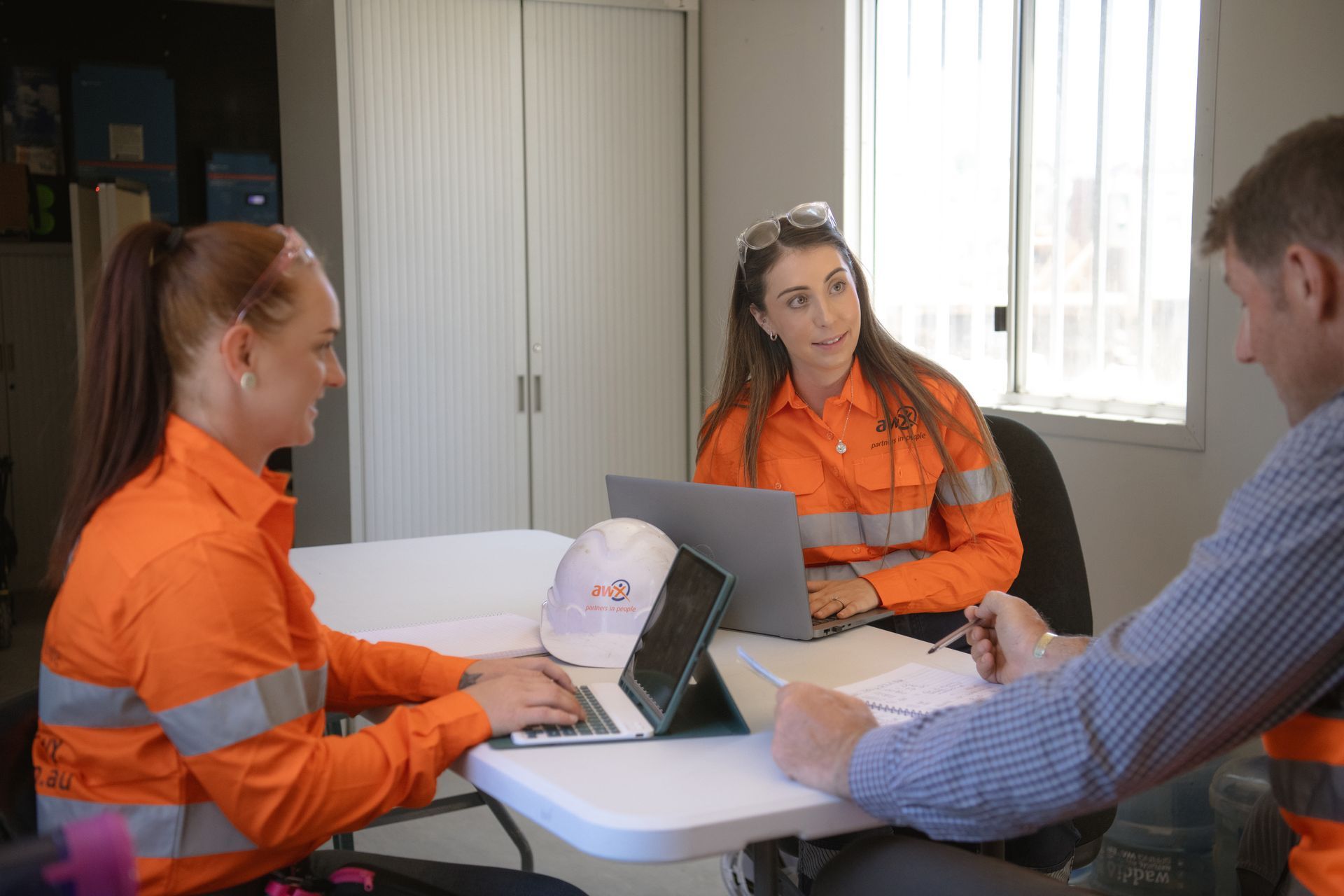
Discover FIFO mining jobs in Australia, the types of roles available, what qualifications you need and how to successfully start a career in mining.

