


A more reliable workforce gave this pipe manufacturer and distributor a better way to run production
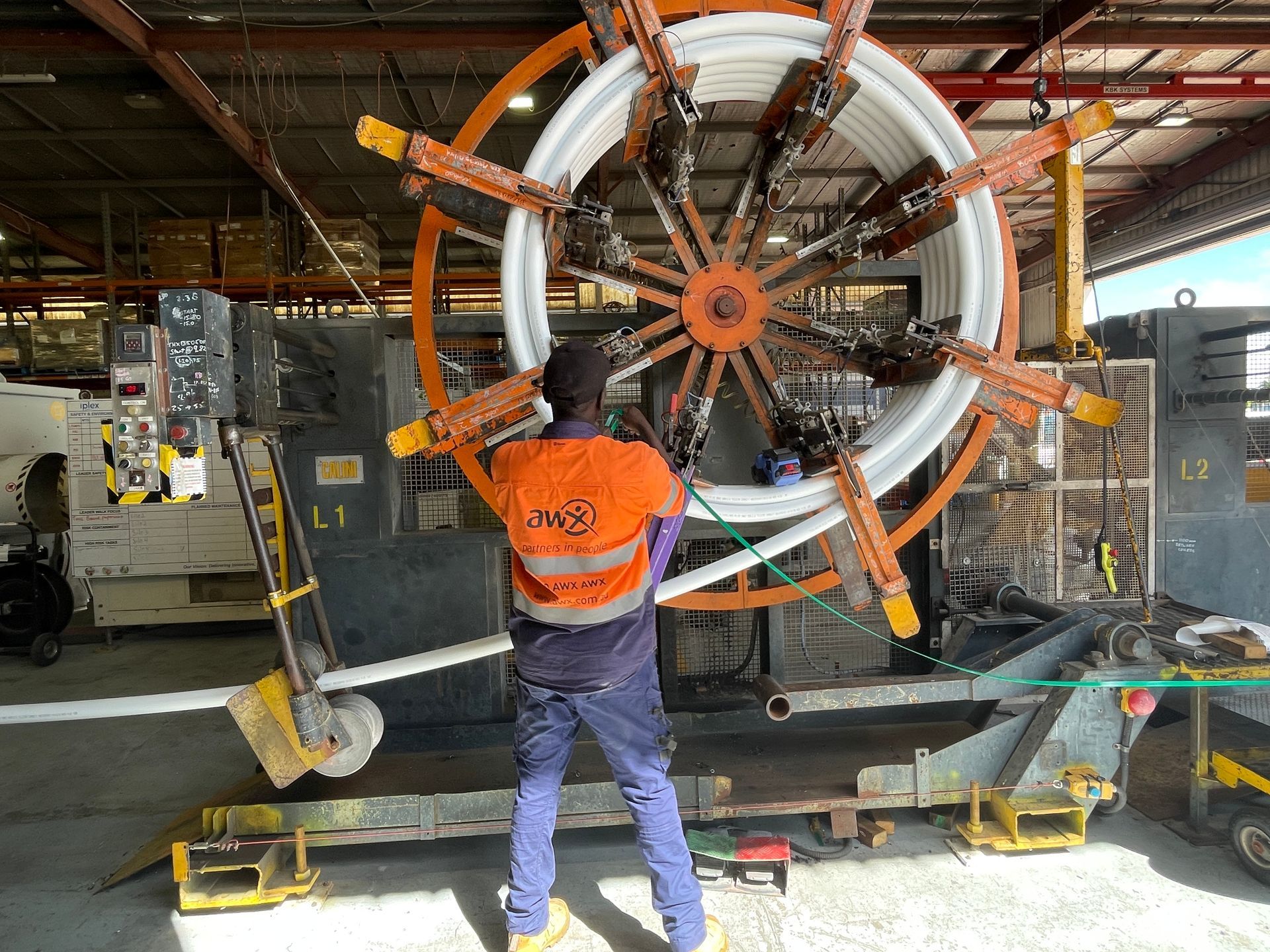
Ten months into a partnership with AWX, a pipe manufacturer and distributor had built a more reliable production workforce giving the business the confidence to change how it rostered production.
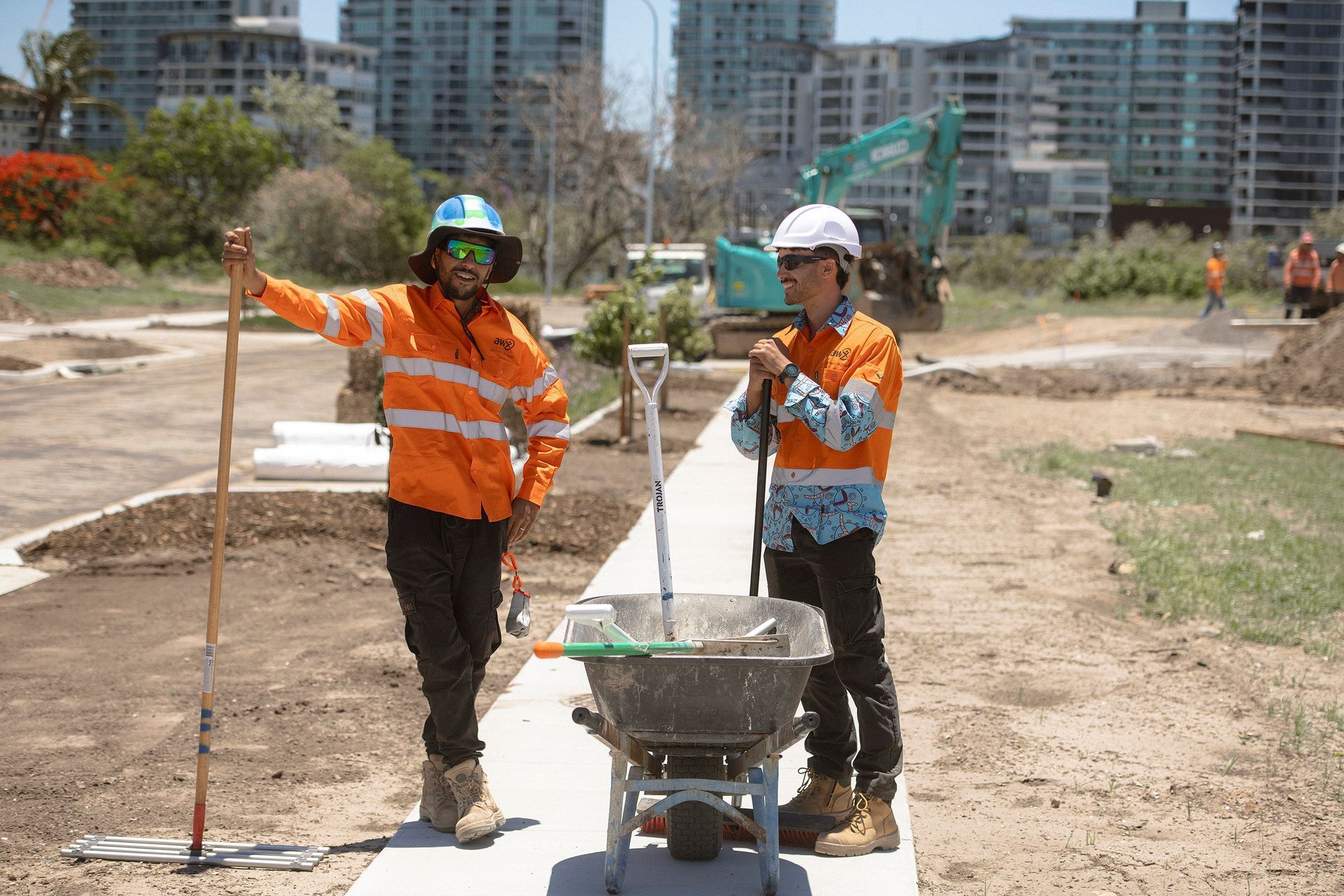
From a Friday afternoon call AWX mobilised the workforce needed to get a civil contracting client’s new subdivision project moving without delay with two labourers on site and operational within 72 hours.
The way people move through their careers has changed and it's changed fast. A resume that once showed three roles over 15 years now might show 15 roles over 10. That's not necessarily a red flag anymore, it's a shift in the market and businesses who are still reading resumes the old way might be missing out on solid candidates. Jess Boyce, AWX Central Queensland Area Manager, has watched the shift firsthand across mining and resources and it's changed the way her team approaches every placement. "The way people approach tenure has changed completely. We used to look for stability as a sign someone was reliable. Now we ask different questions to understand why someone's moved, whether it was for opportunity, money or something else," Jess said. It's not just tenure either. Candidates loyalty has shifted and some withdraw part way through mobilisation, sometimes days before they're due on site, which is why Jess and her team ask the question directly before a candidate is submitted. "When chatting to candidates, we’ll say, ‘Before we submit, have you applied for any other roles? If you have, would this role be your preference? Be honest, don't just tell me what I want to hear’" Jess said. “This helps us to get a clear picture on the candidates commitment to the role. If we see any sign of hesitation, we’ll reconsider putting them forward to our clients,” she said. This comes at a cost. Mobilising someone to site takes time and coordination, so when a candidate pulls out mid way through or after starting, the cost is felt by the client as much as it does us. In the year to February 2025 close to 1.1 million Australians changed jobs and Queensland recorded one of the highest job mobility rates in the country. A big part of what we’re seeing is a shift across generations and their approach to work and it's changing how AWX approaches every candidate. Gen Z, millennials, Gen X and baby boomers all move through the process differently, so treating every candidate the same way means missing the signals that predict whether someone sticks.
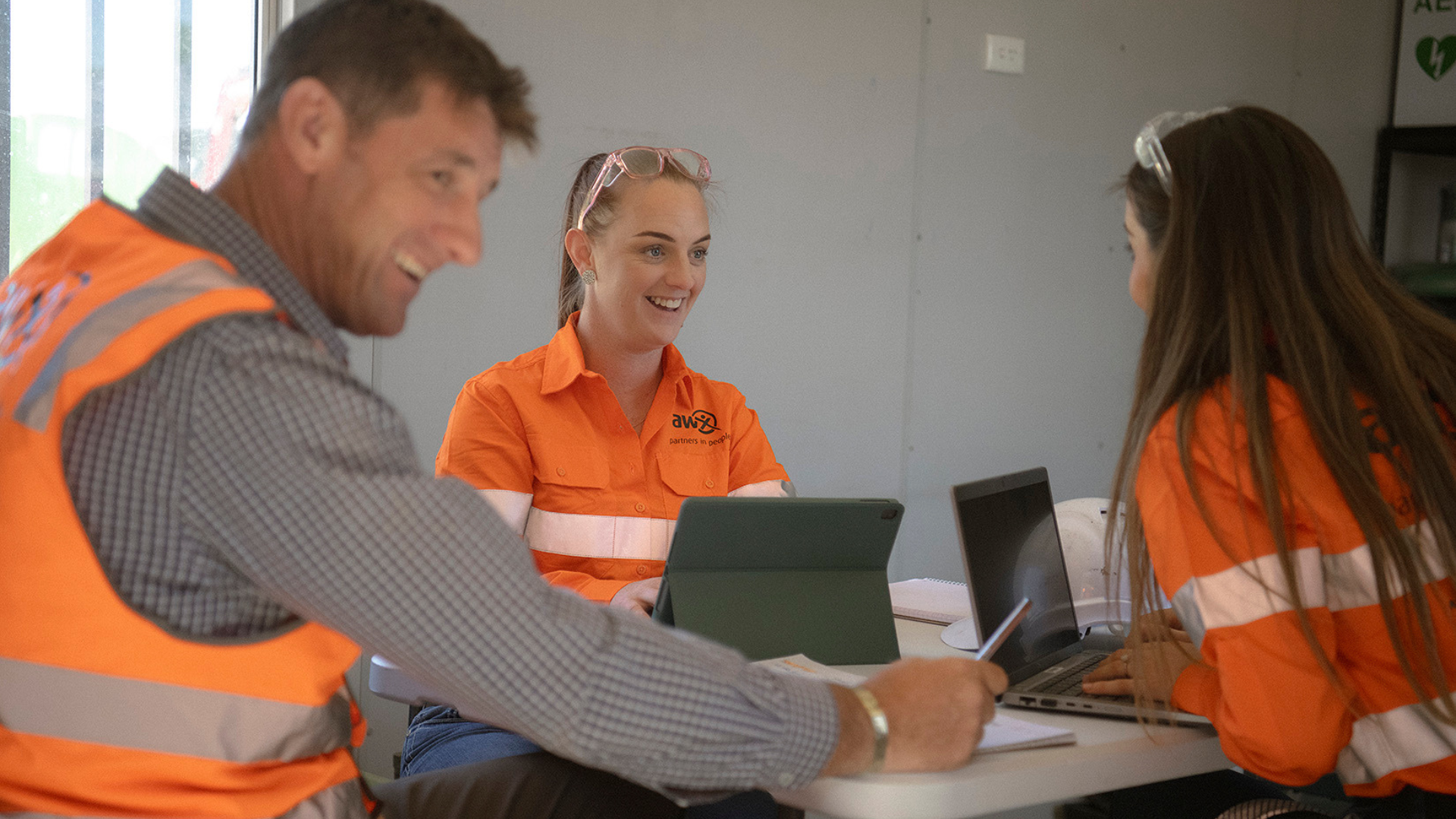
Discover top mining recruitment agencies in Australia that connect skilled workers with diverse job opportunities. Navigate the booming industry with expert insights and career guidance.
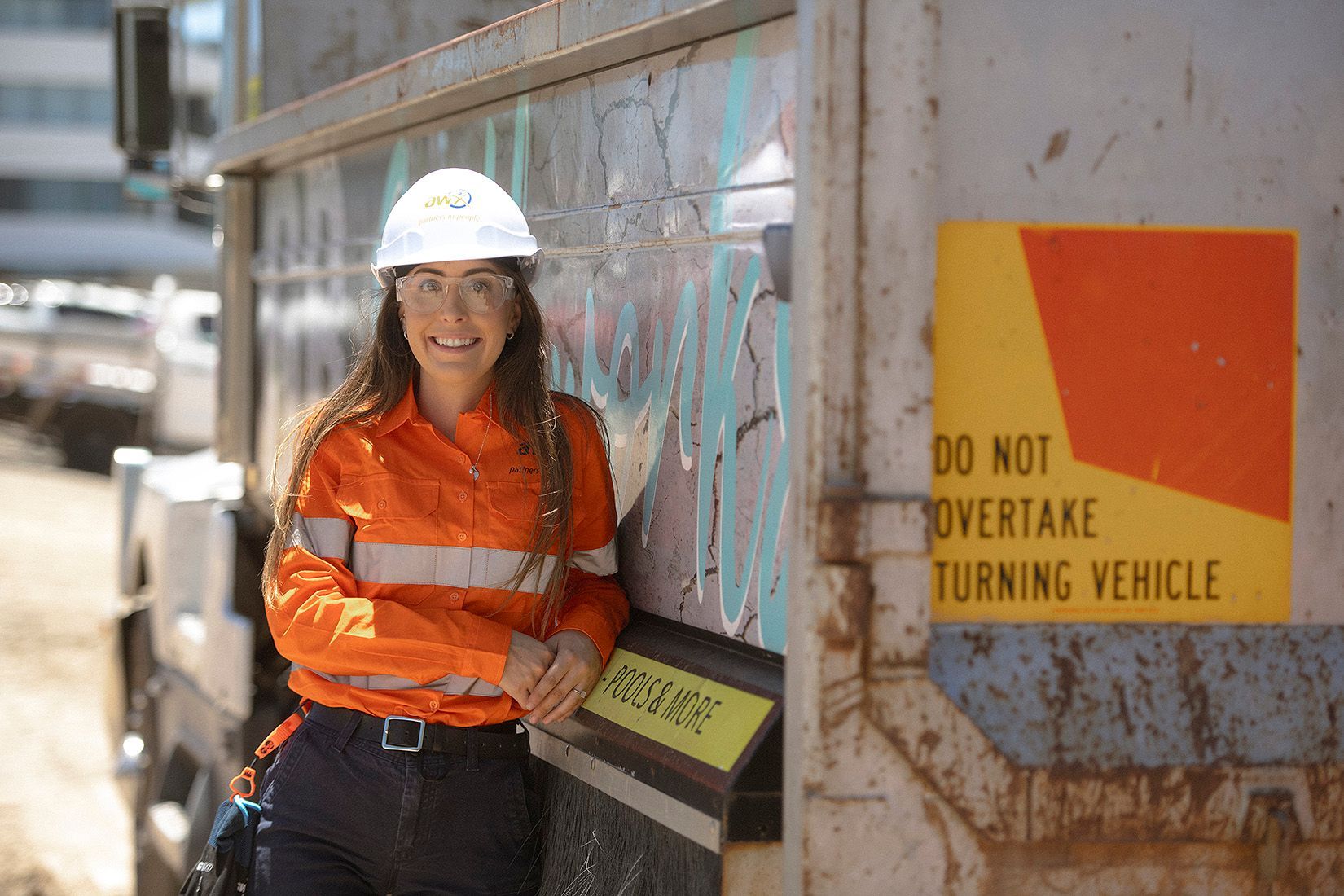
So you're chasing dump truck driving jobs in mining - good move. It's one of the steadiest, best paying entry points into the resources sector and the demand for skilled operators isn't slowing down anytime soon. Mining is a relatively small but high paying slice of the Australian workforce at around 2.1% of employees have their main job in this industry , with median earnings of $2,832 per week , well above the all industries median of $1,741. The sector is also forecast to keep growing, with an estimated 22,279 new mining and resources jobs expected nationally between 2025 and 2030 as new projects come online. AWX has been placing people into mining truck jobs for over 23 years, with a heavy presence in Central Queensland's Bowen Basin and Mount Isa, plus Townsville and sites Australia wide. We supply labour hire and permanent staff across the entire mining workforce – such as production, operations, technical trades , supervisors, administration, shutdowns and more - and we keep an active pool of mine ready employees so we can mobilise people within days, not weeks. With 20+ branches across Australia, AWX’s local teams get out on site and understand how each business works, rather than just matching CVs to job titles. AWX has 2,000+ people in work every week from a database of 400,000+ candidates and 9 out of 10 of our clients recommend us. AWX has been placing people into mining and resources roles since 2000, when the business was founded by Tom Reardon and his partners. AWX went on to become the founding business of People Infrastructure, which listed on the ASX in 2017 and rebranded to PeopleIN (ASX: PPE) in 2020, now Australia's largest workforce solutions company. Jess Boyce, AWX Area Manager for Central Queensland, sums up the approach. "My role is to talk to our candidates, listen to what they want and treat them like a mate from the get go. You get a more relaxed conversation that way and you find out what roster and site is going to work for them long term." "I also work with clients the same way, sitting down to understand their business, culture and what their team needs, rather than taking a one size fits all approach. That's how we make sure the candidates we put forward fit, not just on paper but on site," she said. This guide runs through what the job involves, what you'll get paid and how to land one of these roles.
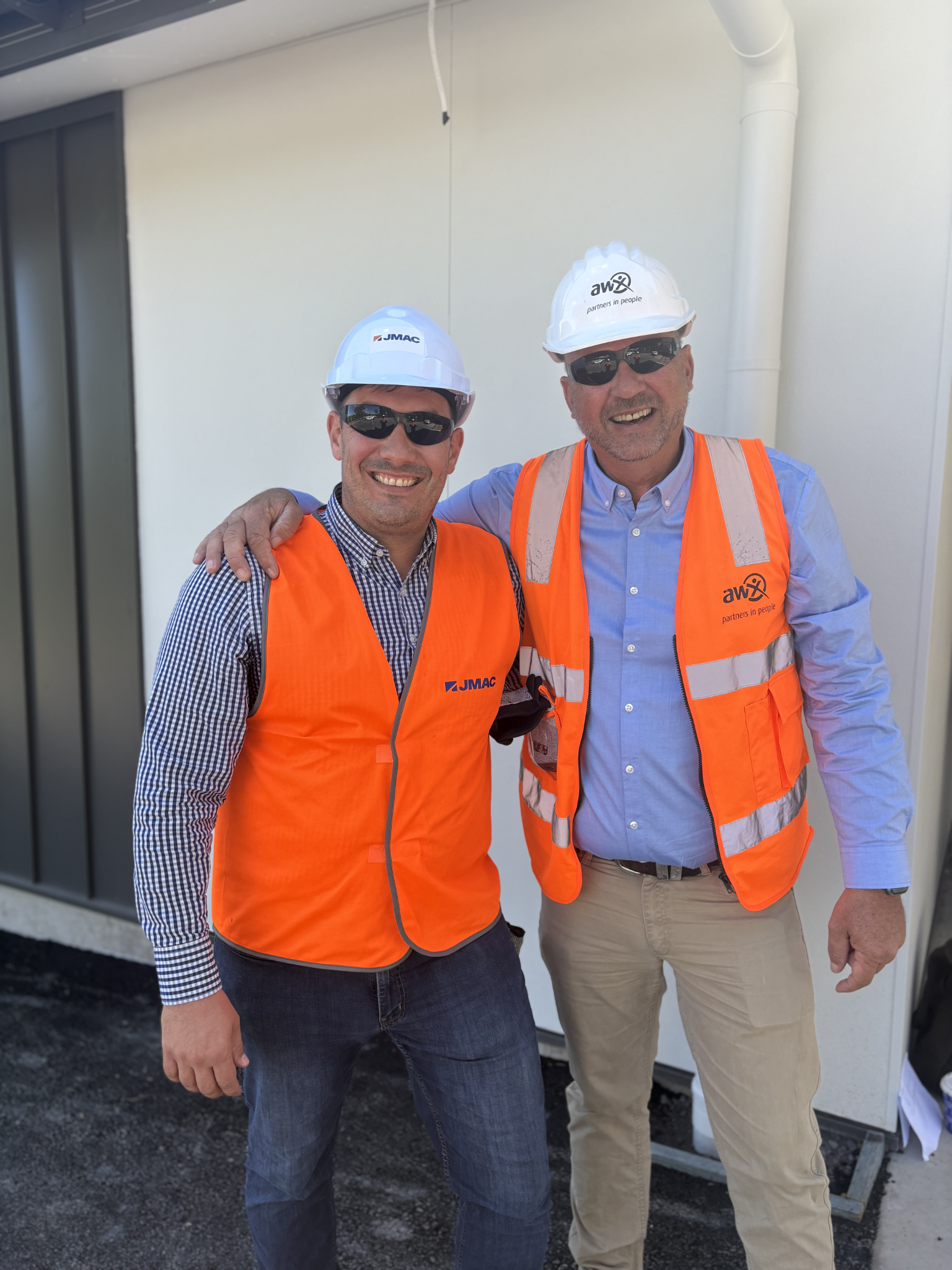
When JMac’s now Senior Project Manager Raik landed in Australia from Germany in 2011, the plan was simple. Travel, take a break from the pressure of engineering back home and do some labouring work while seeing the country.
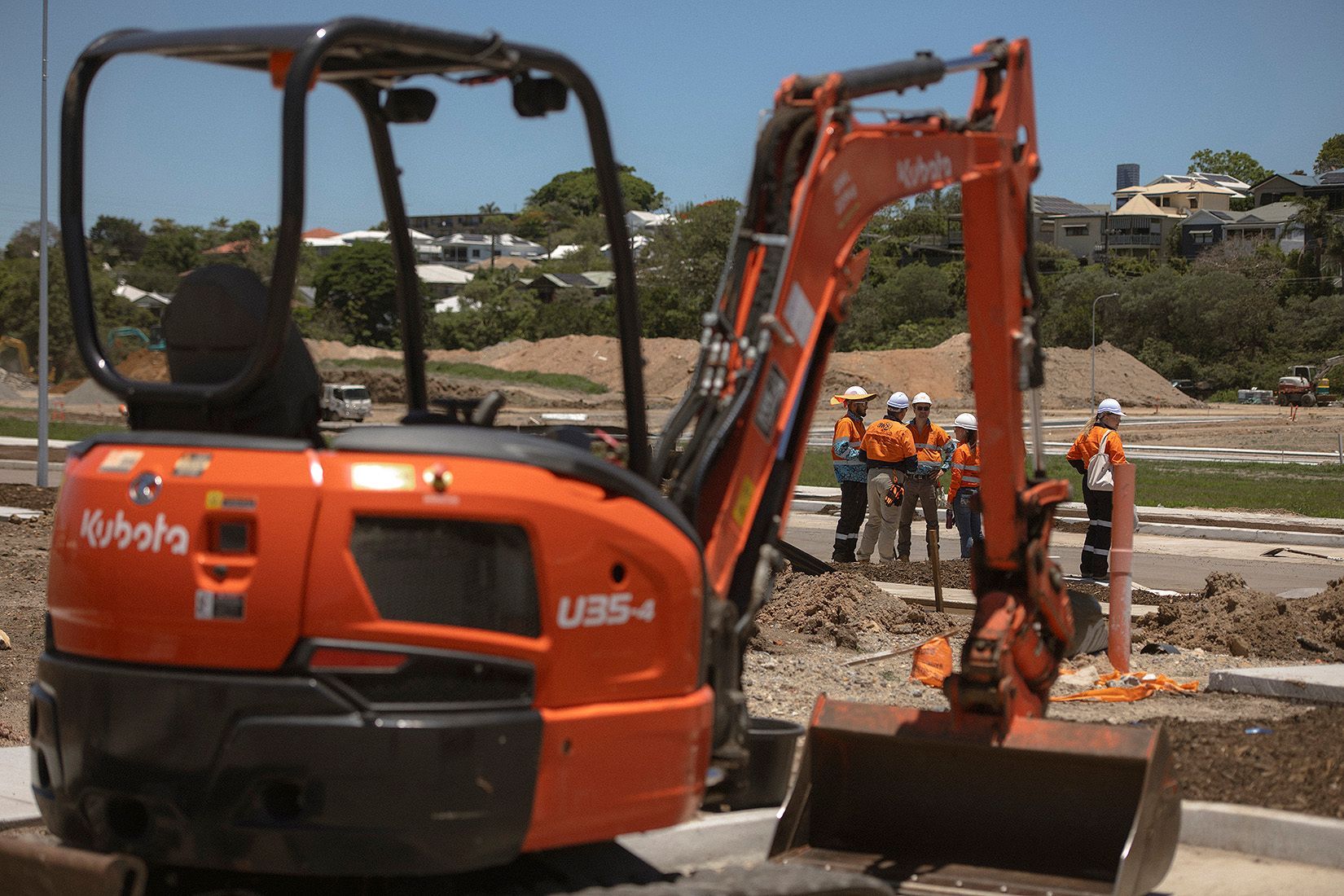
Everything civil and construction businesses need to know about Australia 482 visa sponsorship, how the Skills in Demand visa works, on hire labour agreements, eligibility and how AWX handles it end to end.
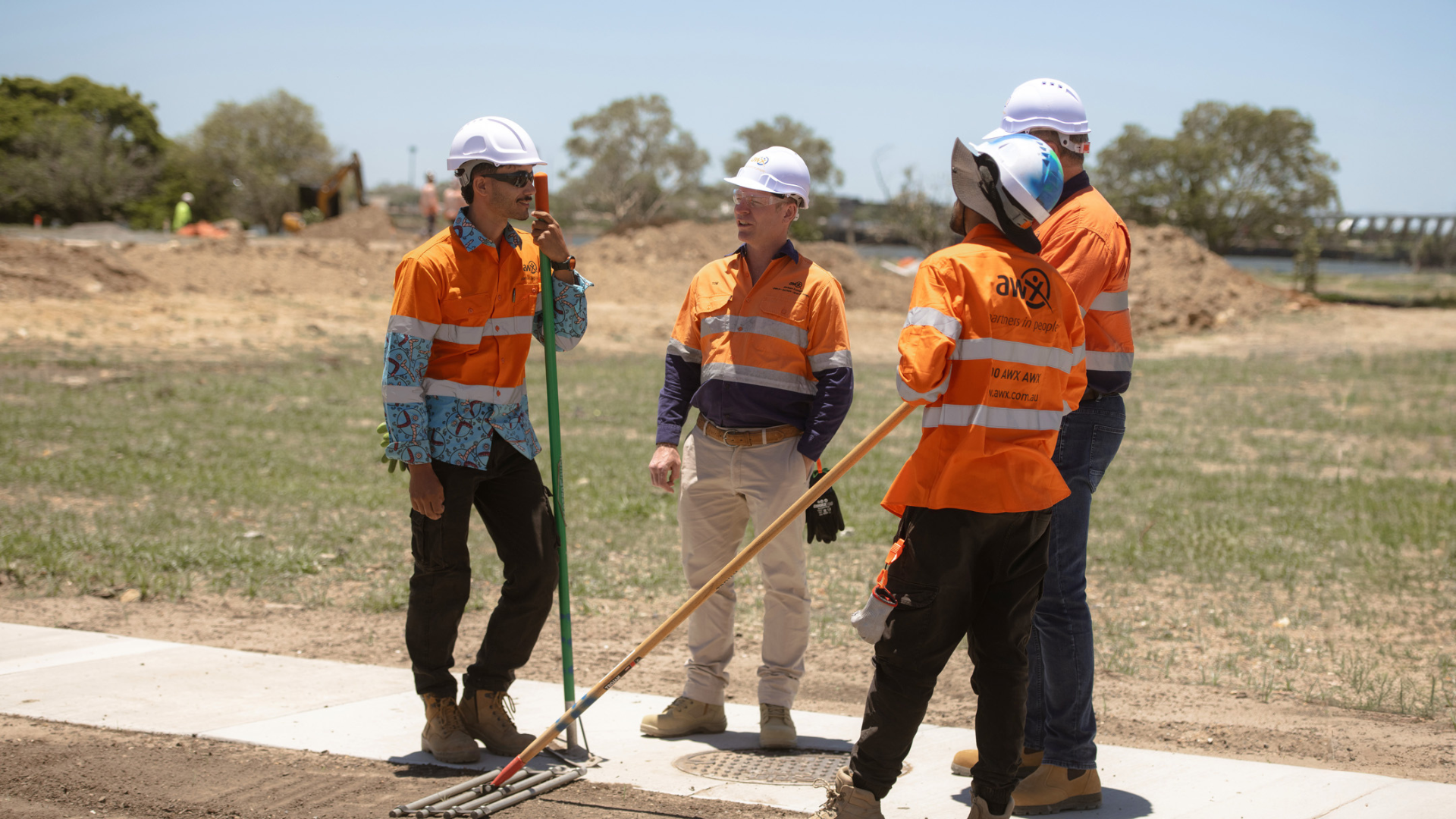
Discover the booming current construction jobs in Australia, with opportunities in Brisbane, Melbourne and Perth. Explore roles in residential, commercial and civil infrastructure sectors.
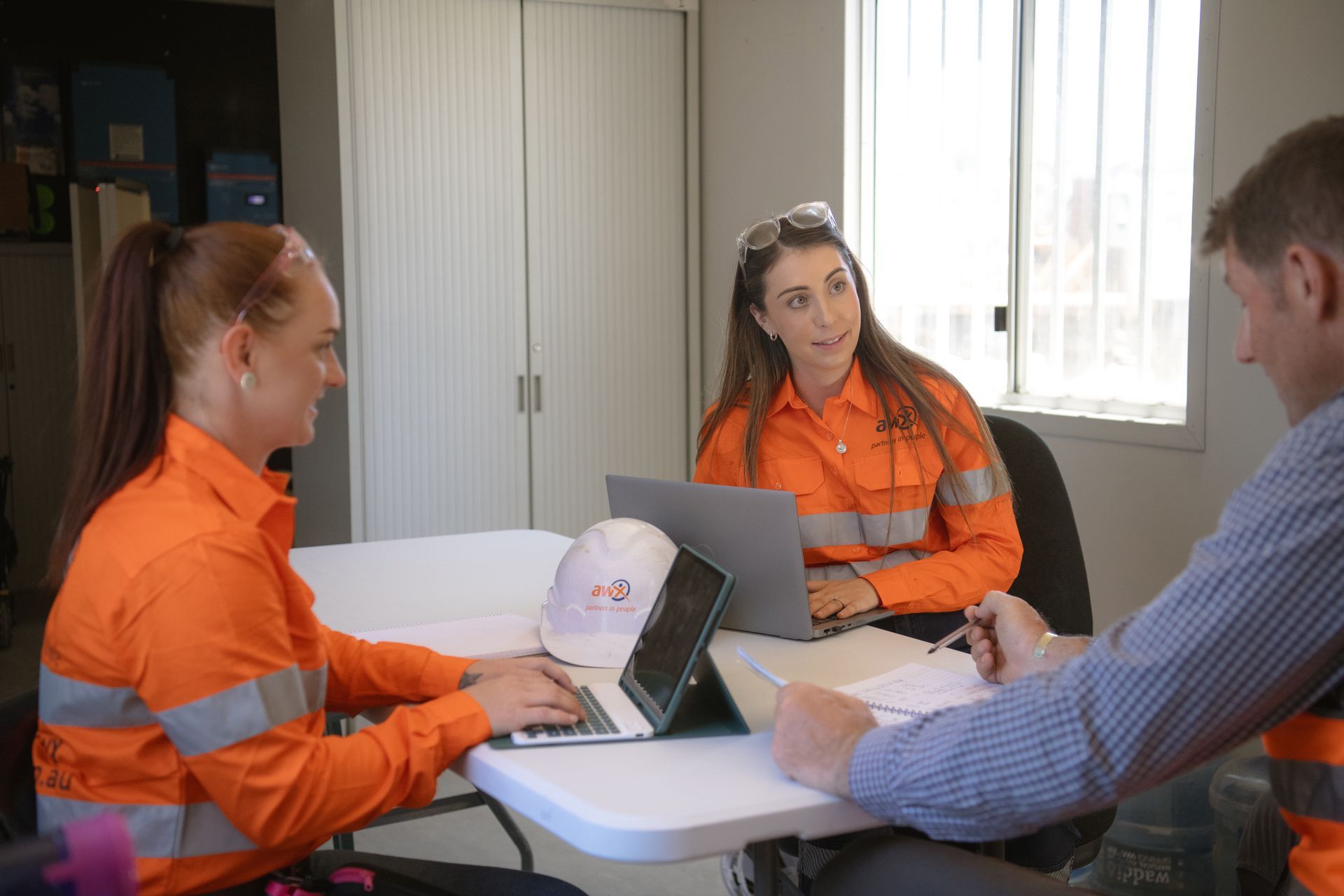
Discover FIFO mining jobs in Australia, the types of roles available, what qualifications you need and how to successfully start a career in mining.
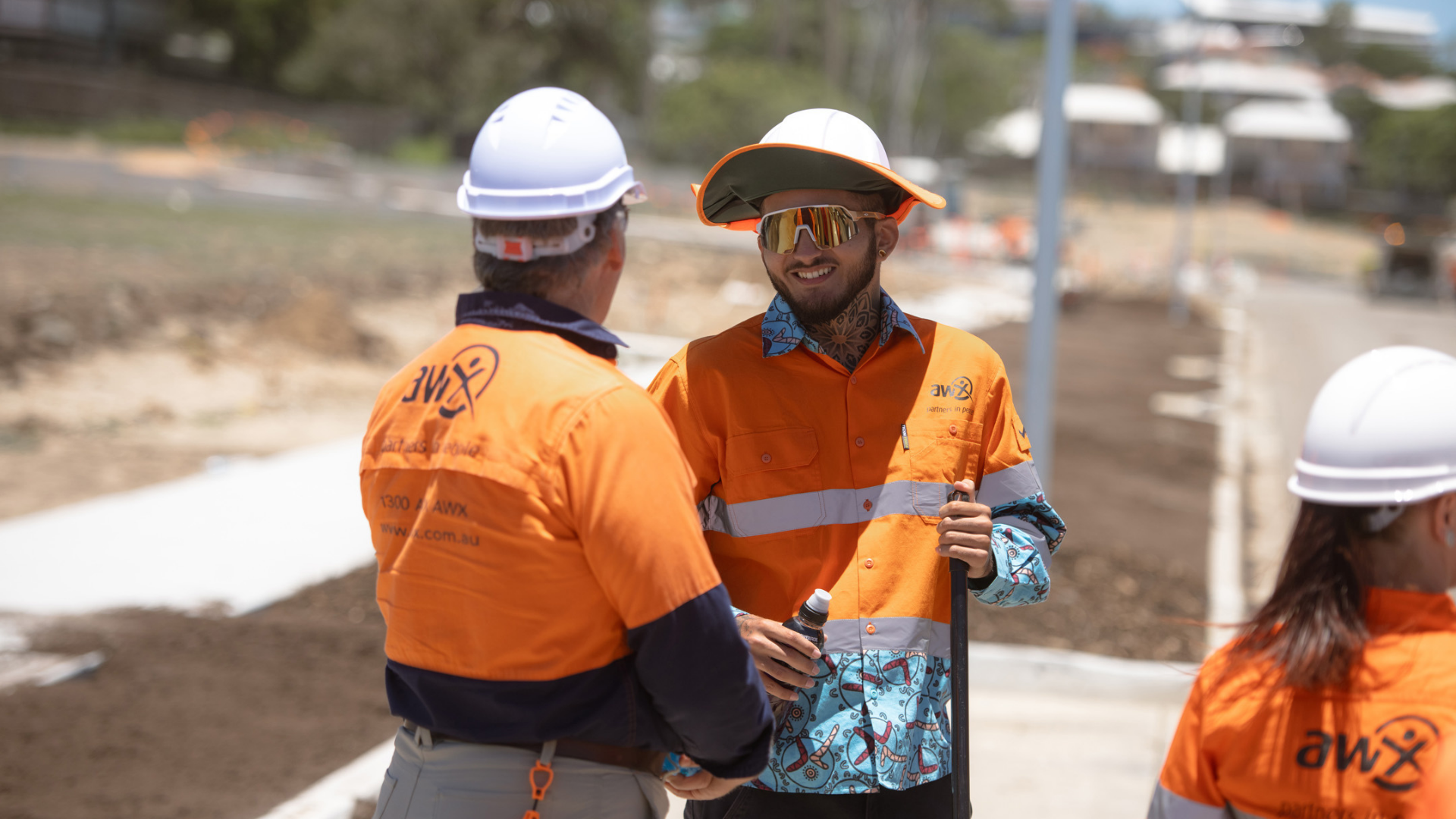
Problem Our client handles grounds maintenance and landscaping for several government and corporate sites working across areas like schools, parks, gardens and nature strips. They hit a snag, struggling to get enough hands on deck for their existing summer contractual requirements across both the Sunshine Coast Council and City of Moreton Bay. They needed to ramp up quickly to meet their service obligations - the work was lined up but they didn’t have enough landscape maintenance crew available to get it done. Solution That’s where we came in. We scaled their workforce up to match their needs, flexing from a handful of workers to 12 on the ground within two weeks, spread across multiple sites. One week it was two staff here, three there and the next week, we doubled the number of crew in the field to where they were needed. "Having a national database of more than 400,000 candidates means we can move quickly when our clients need extra hands. Whether they’re chasing two staff or 20, we can scale crews up and down to match demand without compromising on quality," said Steve Hunter, Sunshine Coast Branch Manager. The work covered it all - mowing, whipper snipping, park maintenance, school grounds, gardens, nature strips, you name it. And when the workload eased off, we wound the crew numbers back down for our client so there was no wasted resources. Outcome The client hit every contractual target. All sites were serviced, the work was done on time and they didn’t have to scramble for staff. They could scale up when needed, scale down when it slowed and stay focused on running their business. "Because we had a dedicated local Account Manager on the Sunshine Coast who understood the client's contracts, sites and workforce requirements, we could respond quickly and make sure the right people were in the right place when they were needed," said Steve. Flexibility. That’s the name of the game. The landscaping client got a workforce that moves at their pace, not the other way around.